Medically Reviewed and last updated on 10/25/2026
Overview
How to floss your teeth properly: curve an 18-inch strand of dental floss into a “C” shape around each tooth, slide it gently 1 to 2 millimeters beneath the gumline until you feel light resistance, and scrape away plaque using smooth up-and-down motions.
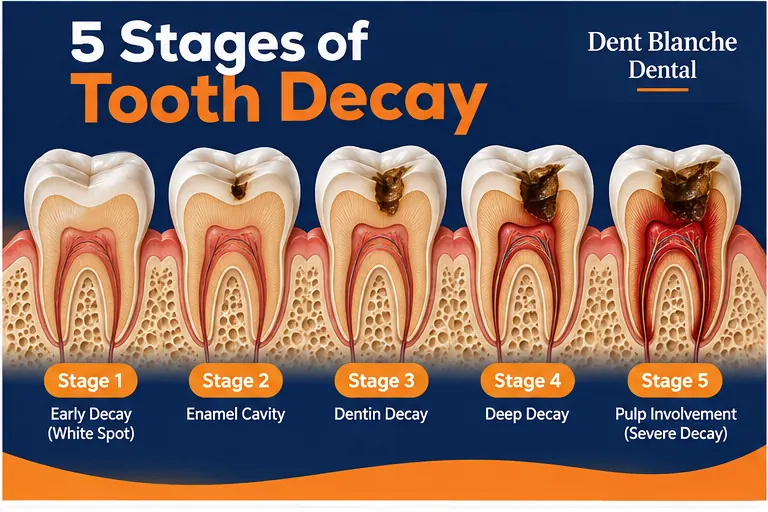
Daily brushing cleans the outer surfaces of your teeth. However, brushing misses the tight spaces between them. Food particles and plaque hide in these spots. Over time, trapped plaque hardens into tartar, leading to tooth decay, bad breath, and gum disease.
Learning how to floss teeth properly keeps your smile clean, bright, and healthy. At Dent Blanche Dental, Dr. Radwa Saad and our Princeton team help patients master the best daily habits. This complete dental floss guide breaks down proper dental flossing, expert techniques, and key tools for your daily routine.
Why Is Flossing So Important for Your Oral Health?
Brushing alone leaves up to one-third of your tooth surface uncleaned. Interdental cleaning removes hidden food debris and sticky plaque biofilm before it damages enamel or inflames gums.
Integrating a consistent flossing routine into your day provides critical health benefits:
Prevents Cavities: Floss removes trapped sugars and bacteria from tight spaces where toothbrushes cannot reach.
Fights Gum Disease: Regular flossing stops gingivitis before it progresses to advanced periodontitis.
Eliminates Bad Breath: Removing decaying food particles keeps your breath fresh all day long.
Protects Overall Wellness: Healthy gums reduce systemic inflammation across your entire body.
Learn more about our advanced preventive approach on our periodontal diseases treatment page.
Step-by-Step Instructions: How to Use Floss Properly
Mastering how to hold floss and guide it safely protects your delicate gum tissue. Follow this easy 5-step process for proper teeth flossing:
Step 1: Measure and Prep Your Floss
Pull out about 18 inches of standard dental floss. Wind most of it around one middle finger. Wind the remaining end around the middle finger of your other hand. This finger gathers dirty, used floss as you work. Leave about 1 to 2 inches of working space between your hands.
Step 2: Hold the Floss Correctly
Grip the floss tightly using your thumbs and index fingers. This grip gives you complete control over every movement.
Step 3: Gently Guide the Floss
Ease the floss between two teeth using a gentle back-and-forth sawing motion. Never snap or force the floss down into your gums. Snapping can bruise or cut delicate gum tissue.
Step 4: Form a C-Shape Around the Tooth
When you reach the gumline, curve the string into a “C” shape around one tooth. Gently slide it into the space between your tooth and gum. How far should floss go under gum tissue? Slide it gently beneath the gumline until you feel light resistance. How deep should floss go? Never force it past natural resistance.
Step 5: Clean with Up-and-Down Motions
Hold the string tightly against the side of the tooth. Rub up and down to scrape away plaque. Unwind fresh string as you move to the next tooth. Repeat this process until you clean both sides of every tooth.
How to Hold Floss for Maximum Control
Many patients struggle with how to hold floss comfortably. Here are quick grip tips for flossing:
Top Teeth: Guide the string upward using your thumbs for stability and precise pressure.
Bottom Teeth: Guide the string downward using index fingers to maneuver easily between lower molars.
Keep It Taut: Keep only 1 to 2 inches of string taut between your fingers for better accuracy.

Choosing the Best Type of Dental Floss
Selecting the right product makes flossing properly easier and more enjoyable. Explore these standard types of dental floss:
Unwaxed Nylon Floss: Fits easily into tight spaces between crowded teeth. It may fray if teeth sit very close together.
Waxed Nylon Floss: Features a light coating that slides smoothly over rough edges without shredding.
Dental Tape: Wider and flatter than regular floss. Ideal for patients with wider gaps, dental bridges, or recession.
PTFE Floss (Monofilament): Slides effortlessly through tight contacts and resists shredding completely.
Silk and Eco-Friendly Floss: Natural silk options provide biodegradable, plastic-free interdental care.
If you wear braces or clear aligners, explore our detailed clear aligners guide for tailored oral care tips.
Effective Alternatives to Traditional String Floss
If traditional string floss feels difficult, try these effective alternative interdental tools:
Dental Floss Picks: Pre-threaded plastic picks offer convenient one-handed cleaning on the go.
Water Flossers: Oral irrigators use targeted water streams to flush out bacteria. Excellent for patients with dental bridges or crowns.
Interdental Brushes: Tiny textured brushes clean wide gaps, bridge work, and braces efficiently.
If you have restorative dental work like a dental bridge or same-day porcelain crowns, interdental tools help keep underlying anchor teeth healthy.
When and How Often Should You Floss?
The American Dental Association (ADA) recommends flossing at least once every day. Here are key timing guidelines:
Pick the Right Time: Floss whenever you have time to perform the technique thoroughly.
Nighttime Is Ideal: Flossing before bed removes accumulated daily plaque and food debris before long overnight hours.
Before or After Brushing? Research from the American Academy of Periodontology (AAP) shows flossing before brushing loosens debris, allowing fluoride toothpaste to coat interdental spaces better.
Common Flossing Mistakes to Avoid
Avoid these frequent mistakes when establishing your flossing routine:
Snapping the Floss: Snapping damages gum tissue and causes unnecessary bleeding.
Reusing Dirty Sections: Always unwind clean string to avoid spreading bacteria from tooth to tooth.
Stopping Because of Bleeding: Mild bleeding often signals early gum inflammation (gingivitis). Keep flossing gently. Bleeding usually subsides within one to two weeks.
Skipping Back Molars: Always reach behind your last rear teeth where plaque collects unnoticed.
Read our helpful guidance on top recommended dental hygiene products for optimal home care tools.
When to See Your Princeton Dentist
If your gums bleed persistently for more than two weeks, or if flossing causes sharp pain, contact our office promptly. Persistent bleeding can indicate underlying periodontal issues that require professional care.
The Centers for Disease Control and Prevention (CDC) reports that nearly half of adults over age 30 suffer from some form of gum disease. Regular professional check-ups ensure early detection and gentle treatment.
Frequently Asked Questions About Flossing
What is the best way to floss your teeth?
The best way to floss your teeth is by using about 18 inches of string floss, curving it into a C-shape around each tooth, and sliding gently under the gumline using soft up-and-down motions.
How do I floss my teeth if I have tight gaps?
Use waxed floss or PTFE monofilament floss. These materials slide smoothly between crowded teeth without shredding or tearing.
How deep should floss go under the gumline?
How deep should you floss? Slide the floss gently beneath the gumline until you feel light resistance. Never force the string deep into delicate tissue.
How far should floss go under gum tissue safely?
Curving the floss into a C-shape allows it to hug the side of the tooth and slide 1 to 2 millimeters beneath the tissue line safely.
Is it better to floss before or after brushing?
Flossing before brushing loosens trapped particles and plaque. Brushing afterward sweeps away those particles and allows fluoride to protect clean surfaces better.
Schedule Your Dental Check-Up in Princeton, NJ
Mastering proper dental flossing keeps your teeth and gums healthy for life. Combine your daily home routine with professional cleanings at Dent Blanche Dental for a radiant, confident smile.
Call Us: (609) 890-1888
Location: 3640 Lawrenceville Rd, Princeton, NJ 08540
Online Booking: Schedule a Dental Check-Up Today
Explore Care Options: Discover Our Dental Services