Medically Reviewed and last updated on 08/23/2026
Overview:
Dry mouth happens when your salivary glands do not produce enough saliva to keep your mouth comfortably moist.
Occasional dry mouth can happen to anyone. However, persistent dry mouth may increase the risk of cavities, bad breath, gum problems, mouth irritation, and difficulty chewing or swallowing.
Common dry mouth causes include:
- Certain medications.
- Dehydration.
- Mouth breathing.
- Smoking or vaping.
- Anxiety or stress.
- Cancer treatment involving the head or neck.
- Salivary gland problems.
- Certain medical conditions.
- Aging-related factors, including increased medication use.
Saliva does much more than keep your mouth wet. It helps wash away food, neutralize acids, protect tooth enamel, and support comfortable chewing and swallowing.
Therefore, persistent dry mouth should not simply be ignored. A dentist can look for oral signs of reduced saliva and help identify possible contributing factors.
What Are Dry Mouth Causes?
Dry mouth means your mouth is not producing enough saliva for normal comfort and protection.
- Persistent dry mouth is also called xerostomia.
- Medications are a common contributor to dry mouth.
- Dehydration can temporarily reduce saliva.
- Mouth breathing can make your mouth feel especially dry at night or when you wake up.
- Dry mouth can cause a sticky or uncomfortable feeling.
How do you know if you have a dry mouth?
- Your tongue may feel dry, rough, or irritated.
- You may experience frequent thirst.
- Dry mouth can contribute to bad breath.
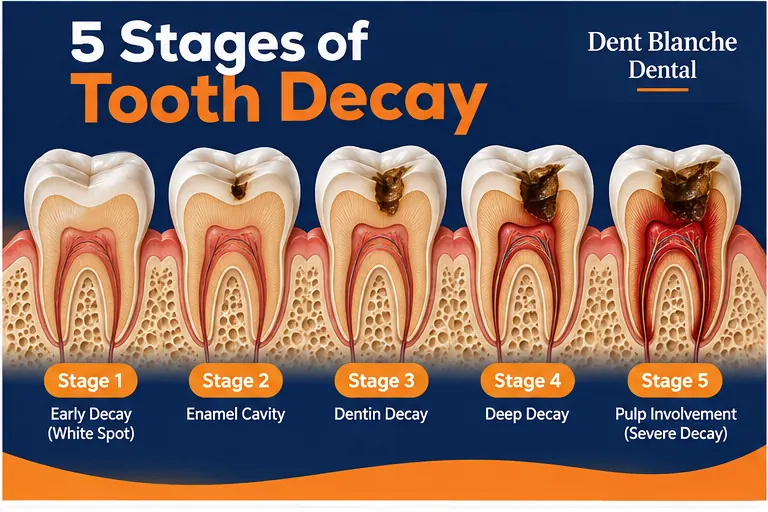
- Reduced saliva may increase the risk of tooth decay.
- Cavities can develop more quickly when saliva protection decreases.
- Dry mouth may make chewing and swallowing more difficult.
- Some patients experience changes in taste.
What Is Dry Mouth (Xerostomia)?
Dry mouth occurs when your salivary glands don’t produce enough saliva to keep your mouth moist. While it may seem like a minor inconvenience, saliva is essential for:
- – Neutralizing harmful acids from plaque
- – Protecting enamel with calcium and phosphate
Without enough saliva, you’re more vulnerable to oral infections and dental complications.
What Are Dry mouth symptoms?
Common Dry Mouth Symptoms
If you experience chronic dryness, you may also notice:
- – Constant thirst
- – Dry, cracked lips
- – Altered or metallic taste
- – Burning sensation on the tongue or palate
- Rough teeth even after brushing
Tip: If you’re experiencing any of these symptoms, schedule a dry mouth evaluation at Dent Blanche Dental today.
What Causes Dry Mouth?
Dry mouth can be caused by a variety of lifestyle and medical factors:
- – Medications: Antihistamines, antidepressants, blood pressure medications, and more
- – Medical Conditions: Diabetes, Sjögren’s syndrome, Alzheimer’s, and cancer treatments
- – Dehydration: Inadequate fluid intake or excessive caffeine/alcohol
- – Mouth Breathing: Especially during sleep or with CPAP machines
- – Smoking and Tobacco Use: Reduces saliva production
- – Age: Older adults are more prone to xerostomia
Effects of Untreated Dry Mouth on Your Oral Health
Failing to treat dry mouth can lead to:
Tooth Decay
Saliva acts as a natural cleanser and protector. Without it, bacteria thrive and enamel wears down quickly.
Gum Disease
Dry gums can become inflamed and allow plaque buildup to worsen, leading to gingivitis and periodontitis.
Chronic Bad Breath (Halitosis)
Lack of saliva = unchecked bacteria = persistent bad breath.
Mouth Sores & Infections
Dry tissues are more prone to irritation, ulcers, and fungal infections like oral thrush.
Why Does Dry Mouth Happen at Night?
Dry mouth at night is more common than you think. Saliva production naturally decreases during sleep, and certain factors can make it worse:
- – Mouth breathing while sleeping- Snoring or sleep apnea
- – Sleeping on your back
- – Use of CPAP machines
- – Dehydration before bed
- – Side effects of nighttime medications
Nighttime dry mouth can result in sleep disruption, increased cavity risk, and chronic fatigue.
What are Dry Mouth Treatment?
- Sipping water regularly may provide temporary relief.
- Sugar-free gum or lozenges may help stimulate saliva when appropriate.
- Avoiding tobacco can help protect dry oral tissues.
- Alcohol-containing mouth rinses may worsen dryness for some people.
- Good brushing, flossing, and fluoride exposure become especially important when saliva is reduced.
Persistent or severe dry mouth deserves professional evaluation.Treating dry mouth effectively starts with identifying its underlying cause.
Do you often wake up with a dry, scratchy throat or constantly feel thirsty throughout the day? These are common signs of dry mouth (clinically known as xerostomia)—a condition that can seriously impact your oral health and quality of life if left untreated.
At Dent Blanche Dental in Princeton, NJ, we specialize in identifying the root cause of dry mouth and providing effective, personalized treatment during dental check-up to help restore comfort and protect your smile.

#Dry Mouth Remedies
At Dent Blanche Dental, Dr. Radwa Saad will perform a comprehensive oral exam to determine the cause of your dry mouth and develop a custom treatment plan. Common solutions may include:
Hydration & Saliva Boosters
- Drink more water throughout the day
- Use sugar-free gum or lozenges to stimulate saliva
Prescription Mouth Rinses & Saliva Substitutes
Specially formulated rinses that moisturize and protect dry tissues
Medication Adjustments
We’ll work with your physician to review medications that may contribute to dry mouth
Professional Dental Cleanings
Remove plaque and monitor for signs of early decay or gum disease
Lifestyle Changes
- – Avoid caffeine, alcohol, and tobacco
Home Care Tips for Managing Dry Mouth
- – Brush and floss at least twice daily using fluoride toothpaste
- – Rinse with alcohol-free mouthwash
- – Avoid salty, spicy, and acidic foods- Suck on sugar-free lozenges or xylitol gum
- – Stay hydrated—aim for 8+ glasses of water a day
- – Sleep with your head elevated to reduce mouth breathing
Act Now for a Healthy Smile
Stay on Top of Your Oral Health No toothbrush can replace the value of professional dental care. Combine your at-home routine with regular visits to Dent Blanche Dental for cleanings, checkups, and expert guidance.
Bonus Tip: Don’t forget to floss daily and use mouthwash to round out your home care routine!
Schedule Your Dry Mouth Consultation Today
Ready to understand your dry mouth causes and get personalized treatment? At Dent Blanche Dental, we help you explore your options and create a treatment plan that meets your needs and goals.
📞 Call now or request an appointment online for your dry mouth consultation — available in Princeton, NJ and Fifth Avenue, Manhattan NYC.
Dent Blanche Dental
3640 Lawrenceville Rd, Princeton, NJ
950 Fifth Avenue, New York, NY, 10075
Call (609) 890-1888