Medically reviewed and last updated on 08/22/2026
AI Overview: Do Dental Fillings Hurt?
Do dental fillings hurt? For most patients, getting a dental filling should not be painful because the dentist numbs the tooth and surrounding area before removing decay. You may feel pressure, vibration, movement, or hear the dental instruments. However, you should not feel sharp pain during the procedure.
Many patients ask, does getting a cavity filled hurt or does filling a cavity hurt? With effective local anesthesia, the procedure is usually much easier than patients expect.
After the numbness wears off, mild sensitivity or soreness can occur. The tooth may temporarily react to cold, sweets, pressure, or chewing. This is especially common after a deep filling placed close to the nerve.
Most mild symptoms gradually improve. However, severe pain, worsening pain, swelling, spontaneous throbbing, or pain that does not improve should be evaluated.
Pain when biting can also occur if you have a high filling. In that situation, the restored tooth may contact the opposing tooth too early. A dentist can check your bite and determine whether the filling needs a small adjustment.
The most important distinction is between temporary post-treatment sensitivity and pain that signals another problem.
Do Dental Fillings Hurt? Key Takeaways
- Dental fillings should not cause sharp pain during treatment when the tooth is adequately numb.
- Local anesthesia is commonly used before decay is removed.
- You may feel pressure or vibration while the dentist works.
- Mild sensitivity after a filling can be normal.
- Cold sensitivity may occur temporarily.
- Mild soreness when chewing can also occur.
- Deep filling pain may take longer to settle because the restoration is closer to the tooth’s pulp.
- A high filling can cause pain when biting.
- Increasing pain is different from sensitivity that gradually improves.
- Severe throbbing pain is not something to ignore.
- Swelling around a filled tooth requires evaluation.
- A cavity filling that hurts when you chew may need a bite check.
- An old filling that hurts may have decay, leakage, a crack, or another underlying problem.
- A tooth that hurts months after filling should be evaluated rather than assumed to be normal.
- A temporary filling can occasionally feel sensitive, but significant or worsening pain requires attention.
- Replacing a filling is usually performed with local anesthesia when needed.
- Early cavities may cause no pain at all.
- Therefore, waiting until cavities hurt can allow decay to become deeper.
- Treating a small cavity is generally simpler than treating decay that has reached the nerve.
- Persistent pain does not automatically mean the filling failed. A dental examination is needed to identify the cause.
Do Dental Fillings Hurt During or After Treatment?
Patients describe filling discomfort in many different ways. Some ask, can fillings hurt? Others wonder, does tooth filling hurts, do cavity filling hurt, or does getting teeth filled hurt?
The reassuring answer is that modern cavity treatment is designed to keep you comfortable.
However, what you feel during a filling is different from what you may experience after a filling.
During treatment:
- The area is usually numbed.
- You may feel pressure.
- You may notice vibration.
- You may hear the dental handpiece.
- Your jaw may become tired from staying open.
- Sharp pain should be reported immediately.
After treatment:
- Your mouth may remain numb temporarily.
- The tooth may feel slightly different.
- Mild temperature sensitivity can occur.
- The gum around the tooth may feel tender.
- Chewing may feel unusual for a short period.
Therefore, when patients ask do teeth fillings hurt, the answer depends partly on whether they mean the procedure itself or the healing period afterward.
Many patients arrive asking the same questions:
- Can fillings hurt?
- Do cavity filling hurt?
- Does getting a cavity filled hurt?
- Do cavities always hurt?
- Is filling teeth painful?
At Dent Blanche Dental, Princeton Dentist Dr. Radwa Saad provides gentle, modern, painless dental care. With today’s technology and proper numbing, getting a cavity filled should not hurt.
Below is everything you need to know about cavity pain, the filling process, and what happens if you don’t treat a cavity.
Learn more about Dental fillings and dental restorations

#Do dental fillings hurt
Do Dental Fillings Hurt? What to Expect Before, During, and After a Filling
One of the most common questions patients ask is simple but important:
Do dental fillings hurt?
People search things like:
- can fillings hurt
- does getting a filling hurt
- is filling a cavity painful
- does it hurt getting a cavity filled
- how bad does a cavity filling hurt
The short answer: modern dental fillings are usually NOT painful, and when discomfort happens, it’s typically mild and temporary.
This guide explains exactly what a cavity filling feels like, when pain is normal, when it’s not, and what happens if a cavity is left untreated.
Do Cavities Hurt?
Patients often ask:
- do cavities hurt
- does a cavity hurt
- do cavities always hurt
- are cavities painful
- when does a cavity start to hurt
The truth:
✔ Early cavities often do not hurt at all
❌ Pain usually means the cavity has progressed
When acid destroys tooth enamel, it usually causes no pain at first. Pain begins when decay reaches the dentin or nerve.
When Do Cavities Start to Hurt?
Searches include:
- when do cavities start to hurt
- cavity starts to hurt
- how bad does a cavity hurt
- how bad do cavities hurt
Cavities start hurting when:
- Decay reaches the inner tooth layers
- The nerve becomes irritated
- Infection begins
At that point, treatment becomes more urgent.
Does Getting a Cavity Filled Hurt?
People ask this in dozens of ways:
- does it hurt getting a cavity filled
- does getting a cavity filled hurt
- is it painful to get a cavity filled
- does it hurt to have a cavity filled
- does a cavity hurt to get filled
The reassuring answer:
No — the procedure itself should not hurt.
Dentists use local anesthesia to numb the area completely.
Do They Numb You for Fillings?
Yes. Patients frequently search:
- do they numb you for fillings
- do they numb your mouth for fillings
- how do they numb you for a cavity filling
- Before drilling begins:
The dentist applies numbing gel
- Local anesthetic is injected
- The tooth and surrounding area go numb
- You should feel pressure, not pain.
Does Tooth Drilling Hurt?
Searches include:
- does tooth drilling hurt
- does drilling teeth hurt
- does drilling a cavity hurt
With proper numbing:
- ✔ Drilling should not hurt
- ✔ You may feel vibration or pressure
- ❌ Sharp pain is NOT normal
If pain occurs, tell your dentist immediately.
What Does Getting a Cavity Filled Feel Like?
Patients ask:
- what does a filling feel like
- what does getting a cavity filled feel like
- what happens when you get a filling
You may notice:
- Pressure
- Vibration
- Sounds from the drill
- Temporary numbness But not pain.
How Is a Cavity Filled?
Searches include:
- how is a cavity filled
- how dentist fill a cavity
- how dentist do filling
- what is cavity fill
- filling cavity in tooth
Step-by-step:
- Tooth is numbed
- Decay is removed
- Tooth is cleaned
- Filling material is placed
- Bite is adjusted
- Filling is polished
Do They Numb You for a Filling?
Yes, local anesthesia is commonly used when a cavity requires removal of sensitive tooth structure.
Patients frequently ask:
- Do they numb you for a filling?
- Do they numb you for fillings?
- Does drilling teeth hurt?
- Does tooth drilling hurt?
The goal of anesthesia is to prevent pain while the dentist removes decay and restores the tooth.
Typically:
- A topical anesthetic may first be placed on the gum.
- Local anesthetic is administered.
- The area is allowed time to become numb.
- The dentist checks your comfort before proceeding.
You may still recognize pressure and vibration.
However, pressure is not the same as pain.
If you experience a sharp sensation, tell your dentist. Additional anesthesia may sometimes be necessary.
Does Drilling a Tooth Hurt?
With adequate anesthesia, drilling a tooth should not cause sharp pain.
However, patients can still feel:
- Vibration.
- Pressure.
- Water.
- Air.
- Movement.
The sounds can also make some patients anxious.
Therefore, someone asking does drilling a cavity hurt may actually be anticipating the sound and vibration rather than pain itself.
If you are nervous, tell your dental team before treatment begins. This gives them an opportunity to explain each step and help you feel more comfortable.
What Does Getting a Cavity Filled Feel Like?
What does a cavity filling feel like?
For many patients, the injection used for anesthesia is the part they anticipate most. Once the area is numb, the actual restoration should be comfortable.
You may experience:
- Pressure as decay is removed.
- Vibration from dental instruments.
- Water and suction.
- Movement while the filling is shaped.
- Pressure while your bite is checked.
Afterward, your lip, cheek, or tongue may remain numb until the anesthetic wears off.
Avoid accidentally biting the numb tissue.
Does Getting a Small Cavity Filled Hurt?
A small cavity is often easier to treat than a large, deep cavity.
Small cavities usually require:
- Less tooth preparation.
- A smaller restoration.
- Less treatment time.
- Less proximity to the nerve.
Therefore, does getting a small cavity filled hurt?
With appropriate anesthesia, it generally should not.
This is another reason early cavity detection matters. A small area of decay can often be treated before it progresses toward the pulp.
Does Removing a Cavity Hurt?
Dentists do not literally pull a cavity out of a tooth.
Instead, the damaged and decayed tooth structure is removed before the area is restored.
Patients may search:
- Does cavity removal hurt?
- Does removing cavity hurt?
- Does removing a cavity hurt?
- Does getting a cavity removed hurt?
- Do cavity removal hurt?
These searches all describe essentially the same concern.
With effective local anesthesia, removing decay should not cause sharp pain.
After the decay is removed, the dentist restores the missing tooth structure with an appropriate filling material.
How Painful Are Cavity Fillings?
How painful is a cavity filling varies somewhat from person to person, but most routine fillings are well tolerated.
Several factors can affect the experience:
- Cavity depth.
- Tooth location.
- Existing inflammation.
- Number of teeth treated.
- Individual sensitivity.
- Dental anxiety.
- Effectiveness of anesthesia.
A deep cavity may require more care because the decay is closer to the pulp.
However, a deeper filling does not mean that you should simply endure pain during treatment.
Tell your dentist whenever you are uncomfortable.
Do Dental Fillings Hurt After the Numbness Wears Off?
This is where the answer becomes more nuanced.
Some temporary sensitivity can occur after a filling.
You might notice:
- Cold sensitivity.
- Mild pressure sensitivity.
- Gum tenderness.
- Slight soreness.
- Awareness of the restored tooth.
This does not necessarily mean something went wrong.
The tooth has just undergone treatment, and the tissues may need time to settle.
However, symptoms should generally trend toward improvement rather than become progressively worse.
Is Pain After a Filling Normal?
Mild, temporary sensitivity can be normal.
More concerning symptoms include:
- Severe pain.
- Increasing pain.
- Spontaneous throbbing.
- Facial swelling.
- Gum swelling.
- Fever.
- Pain that wakes you from sleep.
- Significant pain when biting.
- Symptoms that persist instead of improving.
Therefore, the question should tooth hurt after filling depends on the type, severity, and progression of the discomfort.
A mildly sensitive tooth is very different from a tooth producing severe spontaneous pain.
How Long Should a Tooth Hurt After a Filling?
There is no exact recovery time that applies to every tooth.
Some patients feel normal as soon as the anesthesia wears off.
Others notice sensitivity for several days.
A deeper filling may remain sensitive longer.
Factors include:
- Depth of the cavity.
- Previous tooth sensitivity.
- Proximity to the nerve.
- Bite forces.
- Filling size.
- Individual healing response.
Therefore, questions such as how long do fillings hurt, how long should filling pain last, how long does dental filling pain last, and how long does it take for fillings to stop hurting do not have one universal number.
The trend matters.
Improving sensitivity is generally more reassuring than worsening pain.
Why Does My Filling Hurt When I Chew?
A cavity filling that hurts when you chew deserves attention, particularly if the discomfort is sharp or happens every time your teeth come together.
One possible cause is a high filling.
A high tooth filling means the restored tooth contacts the opposing tooth earlier or harder than it should.
You may notice:
- The tooth hits first.
- Pain occurs when chewing.
- The bite feels uneven.
- The tooth feels taller.
- Pressure is concentrated on one spot.
A dentist can check the bite and determine whether adjustment is appropriate.
Do not simply keep chewing on a painful high filling hoping it will wear itself down.
What Is Deep Filling Pain?
A deep cavity extends closer to the pulp, where the tooth’s nerves and blood vessels are located.
After a deep restoration, the pulp can sometimes become irritated.
Deep filling pain may present as:
- Cold sensitivity.
- Mild aching.
- Sensitivity when biting.
- Temporary tenderness.
In some cases, the nerve settles.
However, persistent or worsening symptoms may indicate more significant pulpal inflammation.
Your dentist may need to evaluate whether the tooth requires additional treatment.
Why Do Fillings Hurt After Treatment?
Why does filling hurt after treatment?
Possible explanations include:
- Temporary pulpal irritation.
- Gum tenderness.
- A deep cavity.
- A high bite.
- Pre-existing inflammation.
- A crack.
- Another dental problem.
This is why post-filling pain should be evaluated according to its characteristics rather than treated as one condition.
For example, brief cold sensitivity is different from spontaneous throbbing that wakes you at night.
Can a Filling Get Infected?
The filling material itself does not become infected in the same way living tissue does.
However, a tooth with a filling can develop decay or infection.
This can happen when:
- New decay forms around the restoration.
- Bacteria enter beneath a failing filling.
- The tooth develops a crack.
- Previous decay was very deep.
- The pulp becomes irreversibly inflamed or infected.
A cavity in a tooth with filling is therefore possible.
Regular dental examinations help dentists monitor existing restorations and identify problems early.
Why Does My Old Filling Hurt?
An old filling hurts for several possible reasons.
The restoration may be:
- Worn.
- Cracked.
- Loose.
- Leaking.
- Surrounded by new decay.
Alternatively, the tooth itself may have developed another problem unrelated to the filling.
Therefore, pain around an old restoration should be examined rather than automatically blamed on the filling material.
Does Replacing a Filling Hurt?
Replacing a filling should generally be comfortable with appropriate anesthesia.
The dentist removes the old restoration and evaluates the tooth underneath.
A replacement may be necessary because of:
- Recurrent decay.
- Cracking.
- Wear.
- Leakage.
- Fracture.
- Poor margins.
If the problem extends deeply toward the nerve, treatment may be more complex than simply replacing the restoration.
My Tooth Hurts Months After Filling — Is That Normal?
A tooth that hurts months after filling should be evaluated.
Likewise, tooth filling hurts after months is not something to dismiss as routine post-treatment sensitivity.
Possible causes include:
- A bite problem.
- Cracked tooth structure.
- Recurrent decay.
- Pulpal inflammation.
- Infection.
- Another nearby tooth causing referred pain.
The original filling may or may not be responsible.
An examination and dental X-rays can help determine the source.
What If I Have a Toothache Two Weeks After a Filling?
A tooth ache 2 weeks after filling may still represent sensitivity in some circumstances, especially after a deep restoration.
However, the pattern matters.
Contact your dentist if:
- Pain is getting worse.
- The tooth throbs spontaneously.
- Biting causes sharp pain.
- Swelling develops.
- Heat causes lingering pain.
- The tooth wakes you at night.
- Your bite feels high.
A follow-up examination can determine whether the tooth is healing or requires additional care.
What Are the Side Effects of Cavity Fillings?
Most filling procedures are straightforward.
Temporary side effects of cavity fillings may include:
- Numbness.
- Mild sensitivity.
- Gum tenderness.
- Bite awareness.
- Jaw soreness after keeping the mouth open.
Less commonly, patients may experience:
- Persistent sensitivity.
- Bite problems.
- Filling fracture.
- Pulpal complications.
These possibilities do not mean fillings are bad.
Dental fillings preserve tooth structure after decay has damaged part of a tooth.
Leaving active decay untreated generally creates a greater risk to the tooth.
Will a Temporary Filling Stop Pain?
A temporary filling can protect a tooth for a limited period, but whether it stops pain depends on why the tooth hurts.
Temporary filling pain can occur if:
- The tooth was already inflamed.
- Decay was very deep.
- The temporary material is high.
- The pulp has significant inflammation.
- Additional treatment is required.
Therefore, a temporary filling is not always a permanent solution.
Follow your dentist’s recommendations for definitive treatment.
Is a Permanent Filling After Root Canal Painful?
A tooth that has undergone root canal treatment may still have tenderness in the tissues surrounding its root, particularly during healing.
However, placement of the final restoration should be managed for patient comfort.
A root canal-treated tooth often needs a durable final restoration to protect it from fracture and restore function.
Persistent or worsening pain should be discussed with your dentist or endodontist.
Do Dental Fillings Hurt? When Should You Call the Dentist?
Temporary sensitivity after a filling can happen.
However, contact your dentist when symptoms are significant, persistent, or worsening.
Call if you notice:
- Severe pain.
- Increasing pain.
- Persistent throbbing.
- Swelling.
- Fever.
- Pain when biting.
- A filling that feels too high.
- A broken filling.
- A lost filling.
- Pain lasting longer than expected.
- Pain returning months later.
You should also call if something simply feels wrong.
A quick bite adjustment can sometimes resolve a high filling. In other situations, the dentist may need to examine the pulp, filling, surrounding gum, or tooth structure.
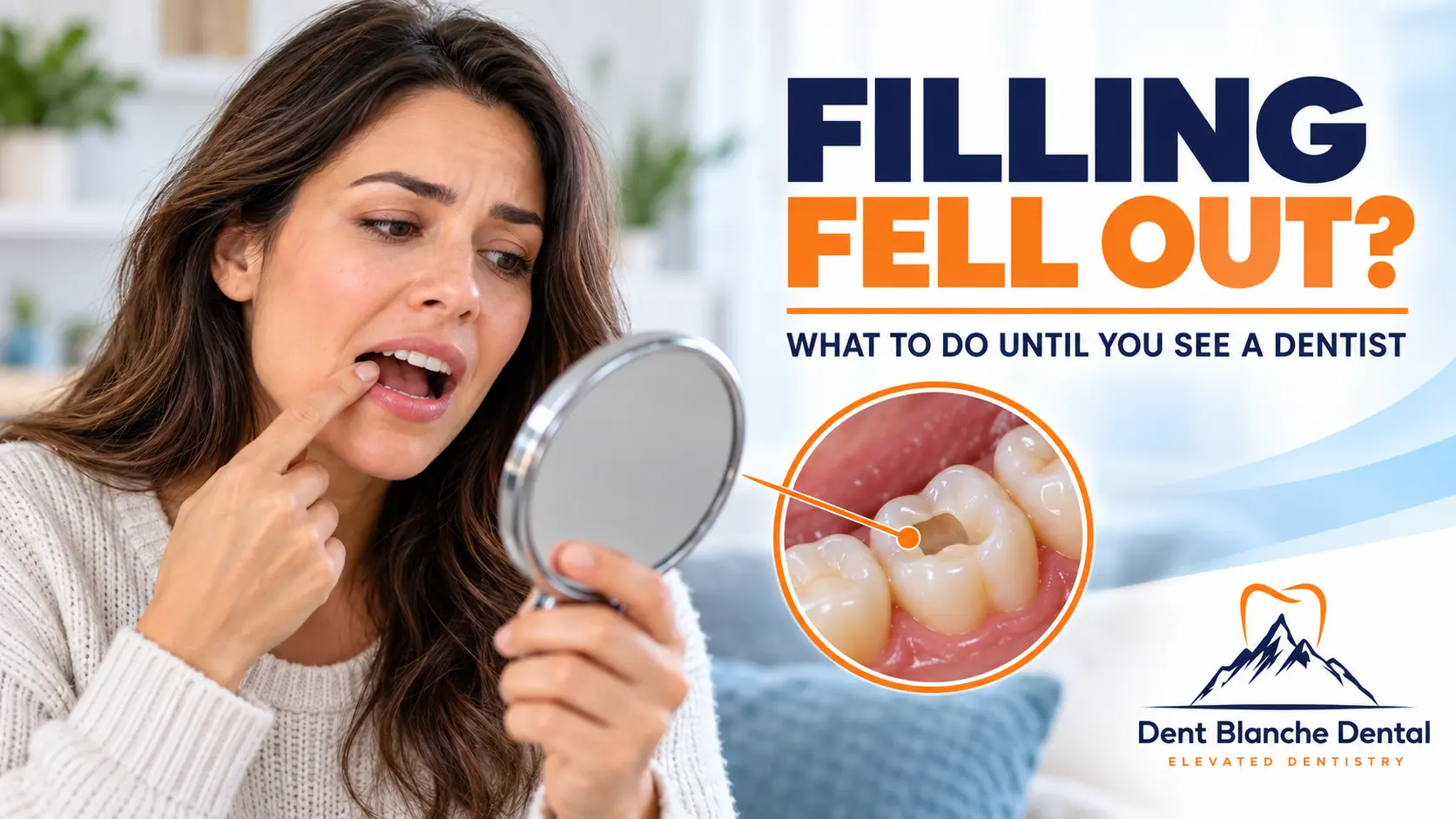
Does It Hurt When a Filling Falls Out?
A lost filling may or may not hurt immediately.
However, the exposed tooth can become sensitive to:
- Cold.
- Heat.
- Sweets.
- Pressure.
- Air.
Food and bacteria can also collect in the exposed area.
Therefore, even if a lost filling does not hurt, schedule a dental evaluation rather than waiting for symptoms.
Do Cavities Hurt Before They Are Filled?
Not always.
This point is particularly important.
Early cavities can develop without noticeable symptoms.
As decay progresses, you may experience:
- Sensitivity to sweets.
- Cold sensitivity.
- Pain while chewing.
- A visible hole.
- Toothache.
- Spontaneous pain.
Therefore, does a cavity hurt is not a reliable test for whether decay exists.
A tooth can have a cavity even when it feels completely normal.
If a Cavity Hurts, Can It Still Be Filled?
Possibly, but the dentist first needs to determine how far the decay has progressed.
A painful cavity may still be treatable with a filling.
However, if decay has reached the pulp and caused irreversible inflammation or infection, a simple filling may no longer be enough.
Treatment could then involve:
- Root canal treatment.
- A crown.
- Other restorative treatment.
- Extraction when a tooth cannot be saved.
This is another reason to treat cavities before they become painful.
Are Cavities Supposed to Hurt?
No.
Many cavities are painless during their early stages.
Therefore, routine dental examinations remain important even when nothing hurts.
Detecting decay early can mean:
- A smaller restoration.
- More preserved natural tooth structure.
- Less risk of nerve involvement.
- Simpler treatment.
Waiting for cavities to hurt can allow the problem to become larger.
Does Fixing a Cavity Hurt Less Than Leaving It Untreated?
For most patients, treating decay early is considerably more manageable than allowing it to progress.
Untreated decay can eventually cause:
- Increasing sensitivity.
- Severe toothache.
- Pulp inflammation.
- Infection.
- Dental abscess.
- Need for root canal treatment.
- Tooth loss.
Therefore, fear of a filling should not become a reason to postpone necessary treatment.
Modern anesthesia is specifically designed to make restorative dentistry comfortable.
Do Dental Fillings Hurt? Frequently Asked Questions
Do dental fillings hurt?
- Usually, no.
- Local anesthesia helps keep the tooth comfortable.
- You may feel pressure or vibration rather than sharp pain.
Can fillings hurt afterward?
- Mild sensitivity can occur.
- It should generally improve.
- Severe or worsening pain needs evaluation.
Does getting a cavity filled hurt?
- The procedure should be comfortable with adequate anesthesia.
- Tell your dentist immediately if you feel sharp pain.
Do they numb you for fillings?
- Local anesthesia is commonly used when necessary.
- Your dentist checks that you are comfortable before proceeding.
Does drilling a cavity hurt?
- Properly anesthetized teeth should not feel sharp drilling pain.
- Pressure and vibration are normal sensations.
How bad does getting a cavity filled hurt?
- Most patients tolerate routine fillings well.
- The experience depends on cavity depth, tooth location, anxiety, and individual sensitivity.
What does a filling feel like?
- Pressure.
- Vibration.
- Water.
- Movement.
- Temporary numbness.
How long will my tooth hurt after a filling?
- Some teeth have no discomfort.
- Others have temporary sensitivity.
- Deep fillings may take longer to settle.
- Worsening symptoms should be evaluated.
Should fillings hurt?
- Mild temporary sensitivity can happen.
- Severe, spontaneous, or worsening pain is not something to ignore.
Why does my filling hurt when I bite?
- A high filling is one possible cause.
- A crack, pulp irritation, or another problem can also cause bite pain.
- Your dentist should check it.
Can a filling get infected?
- The tooth beneath or around a filling can develop decay or infection.
- The filling itself is not living tissue.
Does replacing a filling hurt?
- Replacement fillings can usually be completed comfortably with local anesthesia when necessary.
Does a small cavity filling hurt?
- Small cavities are often straightforward to treat.
- Appropriate anesthesia helps keep the procedure comfortable.
Why does my tooth hurt months after a filling?
Possible causes include:
- Recurrent decay.
- A crack.
- Bite problems.
- Pulp inflammation.
- Infection.
A dental examination is recommended.
Will my mouth hurt after a filling?
- Mild gum or jaw soreness can occasionally occur.
- Significant or worsening pain should be reported.
Does cavity removal hurt?
- Removing decay should not cause sharp pain when the tooth is properly anesthetized.
Are fillings supposed to hurt afterwards?
- Mild sensitivity may occur.
- Persistent or increasing pain should be evaluated.
Do Dental Fillings Hurt? Get Comfortable Cavity Treatment at Dent Blanche Dental
Do dental fillings hurt? For most patients, the experience is much easier than anticipated.
Modern local anesthesia allows dentists to remove decay and restore the tooth while keeping the area comfortable.
More importantly, treating a cavity early can help preserve more natural tooth structure and reduce the risk of deeper decay reaching the nerve.
At Dent Blanche Dental, the goal is to make restorative treatment comfortable, precise, and understandable from the beginning.
If you have:
- A suspected cavity.
- Tooth sensitivity.
- Pain while chewing.
- An old filling that hurts.
- A broken or lost filling.
- A high filling.
- Pain after a recent filling.
- A toothache that will not improve.
schedule a dental evaluation.
Dent Blanche Dental provides restorative dental care in Princeton, NJ 08540. The current page also links patients to the practice’s restorative dentistry services, filling-cost information, filling-type resources, and online appointment scheduling.
Do not wait until a small cavity becomes a painful dental emergency. Early diagnosis can often mean simpler treatment and a smaller restoration.
Learn more dental filling cost, Foods good for your teeth, types of dental fillings, 5 types of fillings
Schedule Your Dental filling Today
Call Dent Blanche Dental to schedule your dental restoration or cavity filling consultation.
Dent Blanche Dental
3640 Lawrenceville Rd, Princeton, NJ 08540
950 Fifth Ave, New York, NY, 10075
Call now: 609-890-1888
Schedule your appointment online
https://dentblanchedental.com