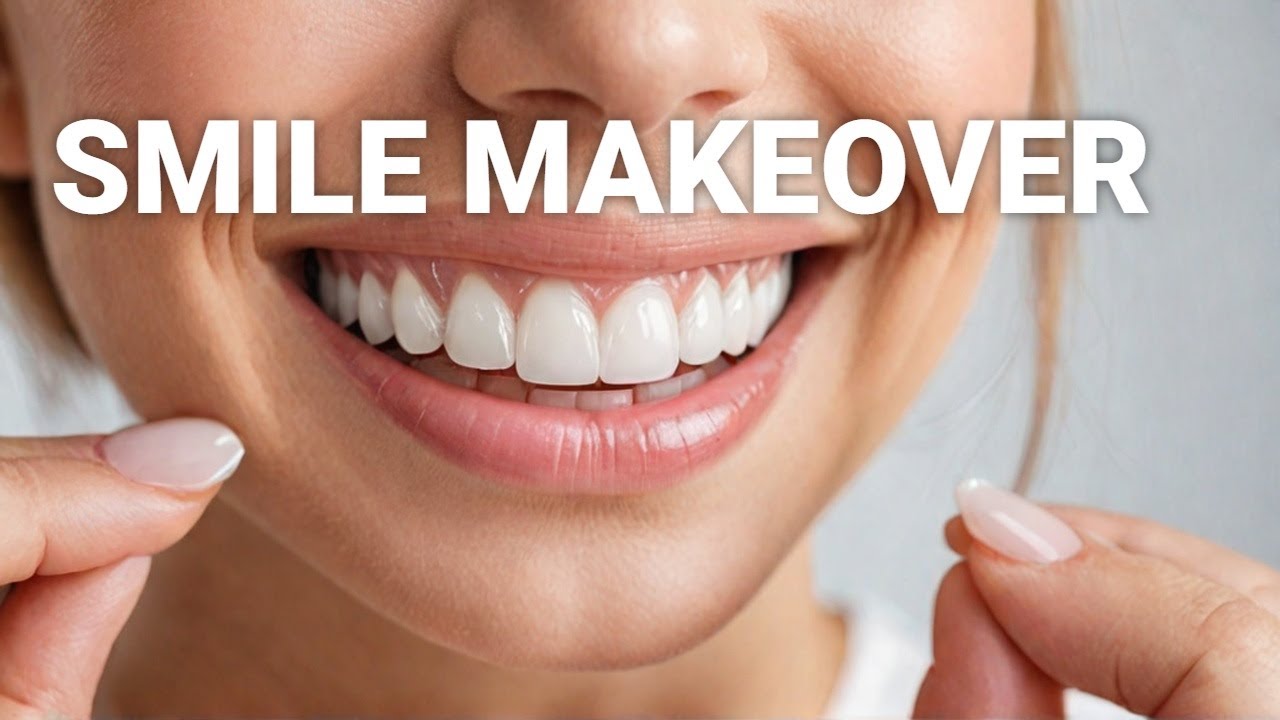
Dental veneers can improve the color, shape, proportions, and symmetry of your smile with thin restorations designed specifically for your teeth.
At Dent Blanche Dental in Princeton, NJ, Dr. Radwa Saad combines cosmetic dentistry, digital smile planning, advanced scanning, and modern ceramic materials to create personalized veneer treatment.
Veneers may improve:


Dental veneers are a transformative cosmetic dentistry option designed to improve the appearance of your smile. At Dent Blanche Dental in Princeton, we help patients understand what is veneer tooth, how do veneers work, and whether this treatment fits their goals for a confident, natural-looking smile.
Whether you searched for veneer for teeth, dentist that does veneers, or want to know how long do veneers last, this page explains everything — from procedure details to longevity, care, and candidacy.
When patients ask to define veneers, they are referring to this ultra-thin shell bonded to teeth for cosmetic enhancement.
Dental veneers may be appropriate when cosmetic concerns affect otherwise healthy teeth.
Some discoloration does not respond predictably to whitening.
Veneers can cover persistent staining and create a more even shade.
If staining is your main concern, Dr. Saad may first recommend professional teeth whitening.
Veneers can restore the appearance of:
For a very small defect, dental bonding may require less treatment.
Veneers can sometimes close small spaces by carefully adjusting tooth width and proportions.
Larger gaps or significant alignment problems may benefit from orthodontic treatment instead.
Veneers can help create more balanced proportions when one or more teeth appear:
Veneers can visually improve certain minor rotations or asymmetries.
However, veneers do not move teeth.
Dr. Saad will recommend orthodontic treatment when actual tooth movement provides a healthier or more conservative solution.
The right veneer depends on your tooth structure, esthetic goals, bite, and budget.
Porcelain veneers are custom ceramic restorations.
Advantages include:
Porcelain is often preferred for larger smile transformations involving several visible teeth.
Composite resin is applied and shaped directly onto the tooth.
Potential advantages include:
Composite can stain and wear faster than porcelain.
Learn more about Dental Bonding.
Some cases can use very thin ceramic restorations with minimal enamel preparation.
However, minimal-prep treatment is not appropriate for every patient.
The tooth position, color, shape, bite, and desired final result determine how much preparation is necessary.
Veneers and crowns can both improve a tooth's appearance, but they have different primary purposes.
Primarily used to improve the visible appearance of a tooth.
Primarily used to protect and restore a damaged or weakened tooth.
Stains, small chips, gaps, uneven shape and selected cosmetic alignment concerns.
Significant decay, cracks, fractures, large fillings and weakened teeth.
Covers primarily the visible front portion of the tooth.
Covers most or all of the visible portion of the tooth.
Often requires less tooth reduction than a crown. Some cases may require minimal preparation.
Usually requires more tooth preparation so the crown can surround and protect the tooth.
Lifespan varies with material, bite, habits and oral hygiene.
Lifespan varies with material, tooth health, bite and oral hygiene.
Cosmetic veneers are generally not covered by dental insurance.
Crowns may receive benefits when clinically necessary, depending on your dental plan.
Veneers do not require complicated maintenance, but the teeth and gums underneath them still need excellent care.
Do not regularly chew:
Porcelain is strong, but veneers can still chip or fracture.
Wear an athletic mouthguard when playing contact sports.
If you grind or clench your teeth, Dr. Saad may recommend a custom night guard.
This can help protect both veneers and natural teeth from excessive forces.
Regular exams allow us to monitor:
Schedule regular Dental Check-Ups.
Do not use your veneers or natural teeth to:
These habits create unnecessary forces on veneers.
An alcohol-free mouthwash may be preferable for patients with veneers.
Choose oral-care products recommended for your individual teeth and gums.
Call us if a veneer:
Do not attempt to glue or repair a veneer yourself.
Read more in our Veneer Maintenance Tips.
Veneer treatment begins with careful planning.
Dr. Saad discusses what you want to change about your smile.
We evaluate:
Digital scans and photographs help us analyze your smile.
We can evaluate how proposed changes relate to your:
We select appropriate:
Depending on your case, a digital design or mock-up may help you visualize the proposed result.
If preparation is required, Dr. Saad removes a controlled amount of enamel to create appropriate space for the veneer.
Preparation varies significantly by case.
Some patients receive temporary veneers while their final restorations are being created.
Temporary restorations can also help us evaluate shape, length, and overall smile design.
Before final bonding, Dr. Saad evaluates:
The veneers are then bonded to your teeth.
Dental veneer cost depends primarily on the material and number of teeth treated.
Other factors can include:
Your Dent Blanche cosmetic dentistry information currently lists porcelain veneers beginning around $1,599+ per tooth, with final fees determined by the individual treatment plan.
For detailed pricing, read our Dental Veneer Cost Guide.
You can also explore:
Affordable Veneers Cost
Dental veneers can improve several cosmetic concerns with one coordinated treatment plan.
Potential benefits include:
Treatment remains individualized. Dr. Saad will recommend a more conservative alternative when whitening, bonding, or orthodontics can accomplish your goals without veneers.
Explore personalized cosmetic dentistry including veneers, whitening, bonding and smile design.
Request a consultation online and our team will help you find a convenient time to discuss your smile goals. Request an appointment .
Qualified patients can explore third-party financing options such as CareCredit and Cherry. View financing options .

How Long Do Dental Veneers Last?
Porcelain veneers are often cited in the 10–15-year range or longer, but no restoration has a guaranteed lifespan. The resources likewise describes a 10–15-year range with appropriate care.
Are Dental Veneers Permanent?
Veneers are considered a long-term restorative commitment.
If enamel is removed to accommodate the veneer, the tooth will continue to require a veneer or another restoration.
Are Dental Veneers Painful?
When tooth preparation is needed, local anesthesia can keep you comfortable during treatment.
Temporary sensitivity may occur afterward.
Do Veneers Look Natural?
They can.
Natural-looking veneers depend on careful control of:
Translucency
Shade
Surface texture
Shape
Proportions
Edge design
Can Yellow Teeth Be Covered With Veneers?
Yes, veneers can mask many forms of discoloration.
However, professional whitening may provide a simpler option if tooth color is the only concern.
Can Veneers Fix Gaps?
Veneers can close selected small spaces by modifying tooth shape and width.
Large spaces may require orthodontic treatment or another approach.
Ready for a stunning smile transformation with porcelain veneers? Schedule your consultation at Dent Blanche Dental or call 609-890-1888 today.
Contact
Dent Blanche Dental
3640 Lawrenceville Road
Princeton, NJ 08540
(609) 890-1888
Hours
Monday, Tuesday, Thursday
8:30 am - 5:30 pm
Wednesday 8:00 am - 4:00 pm
Saturday 8:00 am - 1:00 pm
Friday, Sunday Closed
FOLLOW US
© Dent Blanche Dental. All Rights Reserved Privacy & Terms