By Dr. Radwa Saad, DMD Cosmetic & Implant Dentist
Cavities: What causes cavities (tooth decay)?
Cavities form when harmful oral bacteria feed on sugars and starches, producing acids that erode tooth enamel. Plaque buildup, frequent snacking on sugary drinks or candies, dry mouth, and poor oral hygiene are common contributors to enamel breakdown and cavities.
Discover how cavities work, what causes them, and common symptoms of this dental issue. Cavities are areas of decay on your tooth’s surface. They form when bacteria and acids in the mouth gradually erode the enamel, which is the protective layer of our teeth. Cavities start as small holes and can grow larger over time if left untreated—but good news! Routine dental care with your Dent Blanche Dental care team can help.
Cavities are common and happen to most of us in our lifetime. They occur when the hard outer layer of the tooth (enamel) gets damaged and form small holes or openings. Factors like bacteria, sugary and acidic foods and drinks, poor oral hygiene and not using fluoride can all cause cavities.
Plaque is the main culprit of cavities. It’s a sticky film of bacteria that accumulates on your teeth. The bacteria in the plaque feed on sugars from the foods we eat and produce acids that attack the enamel, causing demineralization. Prolonged exposure to the acids weakens the enamel, causing it to break down and form cavities.
What are common signs of a cavity?
Symptoms may include tooth sensitivity to hot, cold, or sweet foods, visible pits or dark spots on teeth, and occasional toothaches. However, early cavities often don’t present noticeable symptoms—so routine dental exams are critical
Yes—early enamel demineralization (white spots) can be reversed through fluoride treatments, improved home care, diet adjustments, and professional monitoring. Once a cavity forms, restorative treatment is required (nidcr.nih.gov).
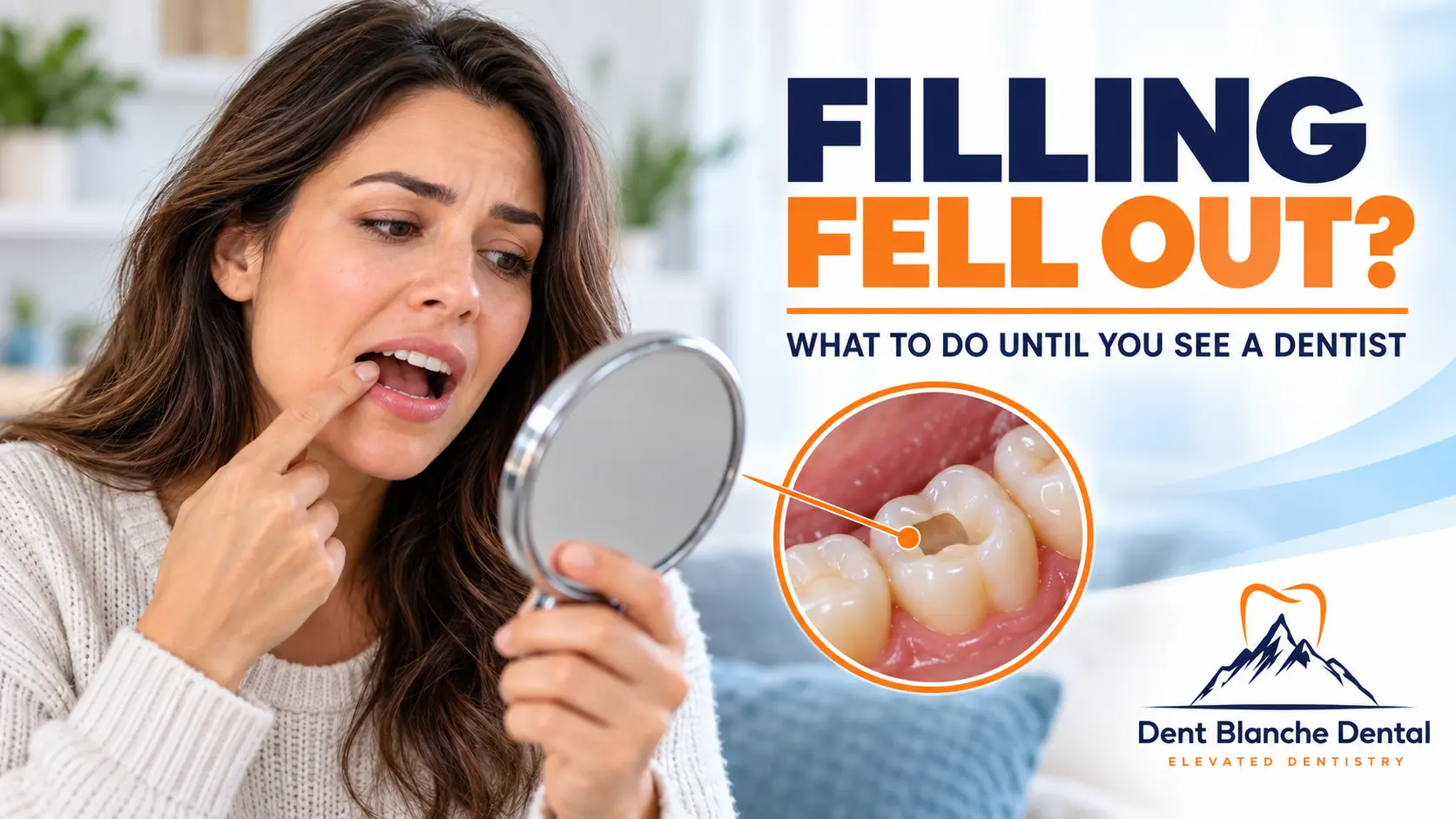
Cavities are permanently damaged areas in the tooth that develop into small holes due to tooth decay. They occur when acids from bacteria break down the enamel over time.
Cavities are caused by a combination of factors, including:
Early cavities may not cause symptoms, but as they progress, you may notice:
Early-stage cavities (enamel demineralization) can sometimes be reversed with fluoride and improved oral hygiene. However, once a cavity forms a hole, it requires professional treatment such as a filling.
Treatment depends on severity and may include:
You can prevent cavities by:
Yes. Untreated cavities can worsen, leading to infection, severe pain, and even tooth loss. Early treatment is essential to preserve your tooth and overall oral health.
Protect your teeth with early detection and effective cavity care. Contact Dent Blanche Dental today to schedule a dental checkup, expert cavity evaluation.
Let us help you preserve and restore your smile with confidence.
Learn more about cavities between teeth
Dr. Radwa Saad, Princeton’s leading cosmetic dentist, and her team at Dent Blanche Dental provide bespoke smile makeovers in a serene, spa-like setting. From natural teeth whitening to artistic veneers, our goal is to give you the smile of your dreams.
At Dent Blanche Dental in Princeton, we provide complete dental care from implant placement, laser dental treatment to cosmetic porcelain veneers. Whether you're new to dental implants or completing treatment, our team ensures you transition with ease.
Call us at (609) 890-1888 or Book your appointment online here
Visit us at dentblanchedental.com
Your smile deserves to be as timeless as you are.

About The Author
Dr. Radwa Saad, DMD, BDS, MSc, MICOI
Dr. Radwa Saad is a distinguished dentist in Princeton, NJ, renowned for her expertise in cosmetic dentistry, dental implants, and digital dentistry. As an Invisalign Preferred Provider with a Master's degree in Implant Surgery and Restoration, she leads Dent Blanche Dental, offering advanced dental care to the Princeton community.
Ready to love your smile? Visit Dent Blanche Dental, where our experienced team is dedicated to helping you smile with confidence. As a leading dental office, we proudly combine top dental technology with personalized care to deliver exceptional results. From routine cleanings and cosmetic smile makeovers to dental implants and same day treatment, we make your visit comfortable, efficient, and stress-free.
Discover why so many families trust us as their best dentist for advanced care, outstanding service, and beautiful, lasting smiles. Book your appointment today and let us help you achieve the healthy smile you deserve.
Contact
Dent Blanche Dental
3640 Lawrenceville Road
Princeton, NJ 08540
(609) 890-1888
Hours
Monday, Tuesday, Thursday
8:30 am - 5:30 pm
Wednesday 8:00 am - 4:00 pm
Saturday 8:00 am - 1:00 pm
Friday, Sunday Closed
FOLLOW US
© Dent Blanche Dental. All Rights Reserved Privacy & Terms